

The Key to Successful Dating
Posted onAs an experienced shadchan, Rabbi Hanoch Teller shares his secrets for successful dating.
As an experienced shadchan, Rabbi Hanoch Teller shares his secrets for successful dating.
In this Torah shiur (class) on Tehillim, Rabbi Avishai David explains Perek 6, which is said during the Tachanun prayers at the end of Shacharit. Rabbi David describes the dialectic between the Amida of Shemoneh Esrai and the Tachanun that follows it. This demonstrates the interplay of Din and Chessed or Ahava and Yirah. Rabi David then discusses the power of the Tachanun prayer, based on various Gemaras and the commentary of the Bais Yosef.
In this Torah class Dayan shlomo Cohen discusses the aspects of Suicide in Halacha
Rabbi Shimon Isaacson discusses the obligation to cover the Challah during the recitation of Kiddush, whether Lechem Mishna is a Torah or Rabbinic obligation, and whether Lechem Mishna involves taking two loaves or cutting two loaves.
In this shiur (Torah class) on Sefer Tehillim, Rabbi Avishai David continues explicating the chapters of Hallel. Chapter 118 contains the unique
aspect of repetition and dialogue, as the chazzan reads and the congregation responds to him. Rabbi David explains this phenomenon as
an echo of the kedusha and kaddish prayers. The goal of this perek is to increase Kiddush Hashem like the Kaddish and Kedusha in the tefillot.
In this Torah shiur (class) on the practical applications of Hilchot Shabbat, Rabbi Shimon Isaacson introduces the Melachot (prohibited activities) of Kotev (writing) and Mochek (erasing), and demonstrates practical ramifications of this prohibition. This class utilizes actual items that one may want to use on Shabbat.
In this Torah shiur (class) on the laws of Shabbat, Rabbi Shimon Isaacson completes the topic of Muktza items, with a survey of the methods one may use to move a Muktza item, under specific conditions. This class primarily focuses on various ways one can utilize ’tiltul min hatzad’, indirectly moving an object.
Rabbi Avishai David delves into and explains Sefer Yirmiyahu perek 16, contrasting the Truth of Hashem with the uselessness of idol worship, and discussing the prophesies of future recognition of Hashem’s Sovereignty.
In this Torah shiur (class) on Sefer Yirmiyahu, Rabbi Avishai David discusses the content of Perek 23. Rabbi David compares the similarities and distinctions between Perek 23 and 33. In the class, Rabbi David describes the two types of Geula (redemption)- B’ita, in its proper time, and Achishena, before it’s time, as described in the Gemara Sanhedrin. Rabbi David explains the Malbim’s approach to the different types of redemption. The perek ends with a description of the false neviim, and the idea of Nevua (prophesy) as a Masa.
In this fascinating shiur on Nevua, prophesy, rabbi David lists and explains the twelve levels of prophesy as described by the Rambam in Moreh Nevuchim. These twelve levels fall into three categories: pre-Nevua, prophetic dreams, and prophetic visions. The prophesy of Moshe Rabbeinu is the highest level possible.
In this shiur on Hilchot Shabbat, Rabbi Shimon Isaacson discusses the laws of Kiddush B’Makom Seudah, and whether one can fulfill the obligation of Kiddush with whiskey.
In this Torah class Dayan Shlomo Chen continues discussing the subject of Shechitah
In this Torah shiur (class) on Sefer tehillim, Rabbi Avishai David continues his explanation of Hallel, with an overview of perakim 116 and 117. In these perakim, both Jews and non-Jews are exhorted to praise Hashem, each for different reasons.
In this Torah shiur (class) on the practical applications of Hilchot Shabbat, Rabbi Shimon Isaacson discusses more practical examples of the Melacha (prohibited activity) of Korei’a (tearing), the flip-side of the Melacha of Tofer (sewing). This class utilizes actual items that one may want to tear on Shabbat for a constructive purpose, and discusses permitted and prohibited methods of doing so.
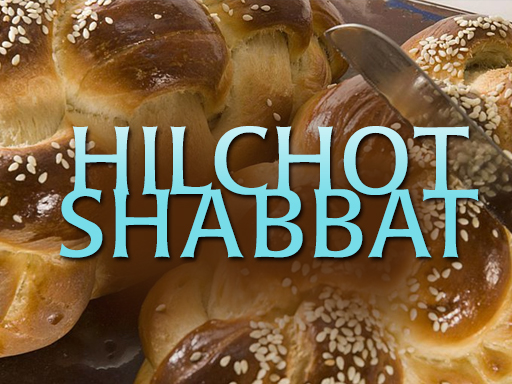
In this Torah shiur (class) on Hilchot Shabbat, Rabbi Shimon Isaacson presents an overview of the halachot regarding items that are usually discarded, such as garbage, bones, egg shells, etc.
In this class on the 14th and 15th chapters of Yirmiyahu, Rabbi Avishai David discusses how Yirmiyahu could have davened to Hashem after he was told not to daven anymore. Rabbi David also talks about Hashem’s dismal warning that He is disgusted with Klal Yisrael, and how even this negative prophesy is not absolute, as the Covenant between Hashem and the Jewish People can never be undone. Going on to the 15th chapter of Yirmiyahu, Rabbi David discusses the four punishments mentioned in the perek, and expounds upon the characteristics and outlook of Yirmiyahu Hanavi, who had the difficult job of prophesizing doom and destruction to his brothers.
In this Torah shiur (class) on Sefer Yrmiyahu, Rabbi Avishai David explains the juxtaposition of perek 22, which bemoans the lack of justice during the reigns of many of the later kings of Judea, with Perek 23, which describes the perfect justice that will prevail during the reign of Moshiach. Rabbi David includes the Rambam’s discussion of the ideal Jewish king, and compares similarities between this chapter and chapter 16 in Sefer Yirmiyahu.
In this shiur (Torah class) on Prophesy, Rabbi Avishai David explains the Rambam’s declaration that there are many levels of nevua. Rabbi David discusses the differences between Neviim, the Prophetic books, and Ketuvim, the Scriptures, according to the early commentators (Rishonim) Radak, Abarbanel, and Meiri, as well as the approach of Rav Chaim Soloveitchik of Brisk.
In this Torah shiur (class) on the Selichot prayers, Rabbi Avishai David explicates the Selichot, specifically the themes of repentance and forgiveness. One of the main themes of the Selichos is that our neshama is incorruptable, and we must use this opportunity to return the part of ourselves that remains pure despite our sins.
In this shiur (Torah class) Rabbi Reichman discusses the ninth perek of Mishnayot Pesachim as a zchut for a complete and speedy recovery for Naftali ben Gila, Shimon Yechiel ben Tirtza, and Nadav ben Hadassa, who were critically wounded in the attack in Yeshivat Merkaz HaRav, Rosh Chodesh Adar bet 5768
In this class, Mrs. Shira Smiles discusses that we cannot get caught up only in the technical requirements of counting each night of the Omer and the customs of mourning during this time. Sefirat Haomer is a time for spiritual accounting in preparation for receiving the Torah, specifically in the areas of loving one’s fellow man and increasing our consciousness of G-d.
Shavuos Class
Rabbi Avishai David discusses Tehillim Perek 137, and presents a vivid description of the Churban and our yearning for Yerushalayim.
Explains how perek 96 is a continuation and intensification of the previous perek, Tehillim 95. This shiur also focuses on the unique role of the number seven which appears in this chapter.
Rebbetzin Heller provides an overview and explanation of the Book of Esther.
In this Torah class Rabbi Yitzchak Cohen Explains the Tales of our Forefathers as written in the Sefer Avos D’rabbi Nosson
In this Torah shiur (class) on Pesach (Passover), Mrs. Shira Smiles talks about our focus and perspective for the days following the Seder night.
Rabbi Hanoch Teller continues his series on Trei Asar, going on in his explanation of the prophesies of the Navi Zecharia.
In this Torah shiur (class) on shalom bayit, Rabbi Beinish Ginsburg shares his secrets for building a happy and harmonious relationship with one’s spouse, based on the sichot mussar and other Torah sources.