

Eating Before Reciting Shema
Posted onRabbi Moshe N. Reichman examines the question of whether one may eat before reciting Shema.
Midot
Posted on
Rabbi Yitzchak Cohen elaborates on the application of ‘nekius’ in midot.
The Midda of Bitachon
Posted onIn this shiur (Torah class), Rebbetzin Tziporah Heller explains how one develops the midah of bitachon and keeps it as one keeps a mitzvah. Rebbetzin Heller suggests specific and practical ways to respond to a situation in a manner that illustrates bitachon is at least “in the background.”
Esav’s Portion
Posted on
Rebbetzin Tziporah Heller explains how our ‘choseness’ is different from the centrality of ‘Esav’ in the world’s spiritual evolution.
Can a Good Prophecy be Altered?
Posted onRabbi Moshe N. Reichman discusses whether or not David Hamelech viewed himself as a Chassid, and whether a prophecy can be altered.
Life’s Illusions
Posted on
Mrs. Shira Smiles discusses Parshat Bo. As the Jews left Egypt, they received gold, silver, and many valuables from the Egyptians. Mrs. Smiles explores this episode and its significance,and discusses the proper perspective to material possesions.
Perek 7
Posted on
In his continued discussion on Sefer Yirmiyahu, Rabbi Avishai David speaks about how this Perek is the fulcrum of Perakim 5-9.
Ein Od Mil’vado
Posted on
Shira Smiles speaks about how the stones were used as a protection, as well as the symbolism of the ladder.
David Hamelech’s Righteousness
Posted onRabbi Moshe N. Reichman expounds on David Hamelech’s righteousness.
Milchemet Reshut
Posted onRabbi Moshe N. Reichman discusses the topic of Milchemet Reshut.
Inner Dimensions of Chosenness
Posted onRebbetzin Tziporah Heller explains how each Jew has a distinct role to play in the collective destiny of the Jewish people and how each role must be performed on behalf of our brethren.
Perakim 5-9: False Security
Posted onIn his continued discussion on Sefer Yirmiyahu, Rabbi Avishai David demonstrates the structure of perakim 5-9. In addition, he discusses the false sense of security encouraged by the leaders of Yirmiyahu’s time, who assured the population that the Temple would never be destroyed.
Perfection of Speech
Posted onIn his discussion of the Mesillat Yesharim, Rabbi Yitzchak Cohen elaborates on the application of ‘nekius’ in speech.
Discussing Torah in Front of Dead
Posted onRabbi Moshe N. Reichman explores the issue of discussing Torah in front of the dead.
Chafetz Chaim
Posted on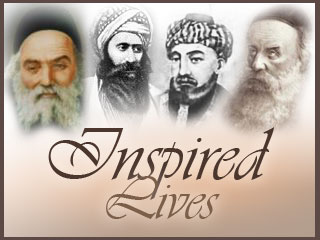
Rabbi Hanoch Teller describes how the Chafetz Chaim captured the heart of the Jewish nation even when he was alive.
Creating Sensitivities
Posted onMrs. Shira Smiles discusses Parshat Va-eira. The story of the Jews’ enslavement in Egypt can be seen through the lense of developing proper middot (character traits), especially that of hakarak hatov (gratitude).
Parshat Vaeira: Understanding the Will of G-d
Posted on
In his discussion on this week’s parsha, Parshat Vaeira, Rabbi Reichman uses the interpretation of the Shem MiShmuel to explain a puzzling Midrash (Oral Torah explanation) regarding Moshe’s role in our redemption from slavery in Egypt.
Spiritual Stones
Posted onMrs. Shira Smiles explains how Yaakov placed the stones, and the symbolism of the argument between them.
Obligation For Effort
Posted onIn this Torah class (shiur), Rebbetzin Tziporah Heller asks the question: are we obligated to expend effort in order to achieve desired results, or can we rely on Hashem to provide for us? Rebbetzin Tziporah Heller delves into this question, using the Torah ideas of the Maharal, Rav Dessler, and others.
Parshat Vaeira: Sole Reliance
Posted onIn his discussion on this week’s parsha, Parshat Vaeira, Rabbi Hershel Reichman talks about how the Torah describes the increasing hardship of the slavery in Egypt in order to increase the Jewish People’s loyalty to G-d and their leader Moshe Rabbeinu.
Parshat Shemot: Three Signs of Moshe Rabbeinu
Posted onIn his discussion on this week’s parsha, Parshat Shemot, Rabbi Hershel Reichman presents a perplexing conversation in the Torah that takes place between G-d and Moshe Rabbeinu, by the burning bush. Rabbi Reichman uses the interpretation of the Shem Mishmuel to delve into the deeper meaning of the exchange.
Perakim 5 & 6
Posted onIn his discussion on Sefer Yirmiyahu, Rabbi Avishai David does an overview of Perakim 5 & 6, and then contrasts the two.
Pure Hands
Posted onIn his discussion on the Mesillat Yesharim, Rabbi Yitzchak Cohen explains that Nekius means keeping a distance from any hint of dishonesty or stealing.
Reb Chaim Shmuelevitz, Part 2
Posted onRabbi Hanoch Teller continues his discussion on the life of Reb Chaim Shmuelevitz.
Path to Redemption
Posted onMrs. Shira Smiles talks about the theme of redemption.
Trust in Hashem vs. Trust in People
Posted on
Rebbetzin Tziporah Heller discusses ten descriptions of the way in which investing trust in Hashem differs from trusting a human.
Prayer of Darkness
Posted onMrs. Smiles talks about Yaakov’s prayer to Hashem at night, which is the precedent for the Tefilla of Maariv.
Honoring the Dead
Posted onRabbi Moshe N. Reichman continues on to the topic of honoring the dead.
Kaddish, Part 2
Posted onRabbi Moshe N. Reichman gives an interpretation of “ye’hai sh’mei rabbah” and why Kaddish is recited in Aramaic rather than in the Hebrew of the Torah.